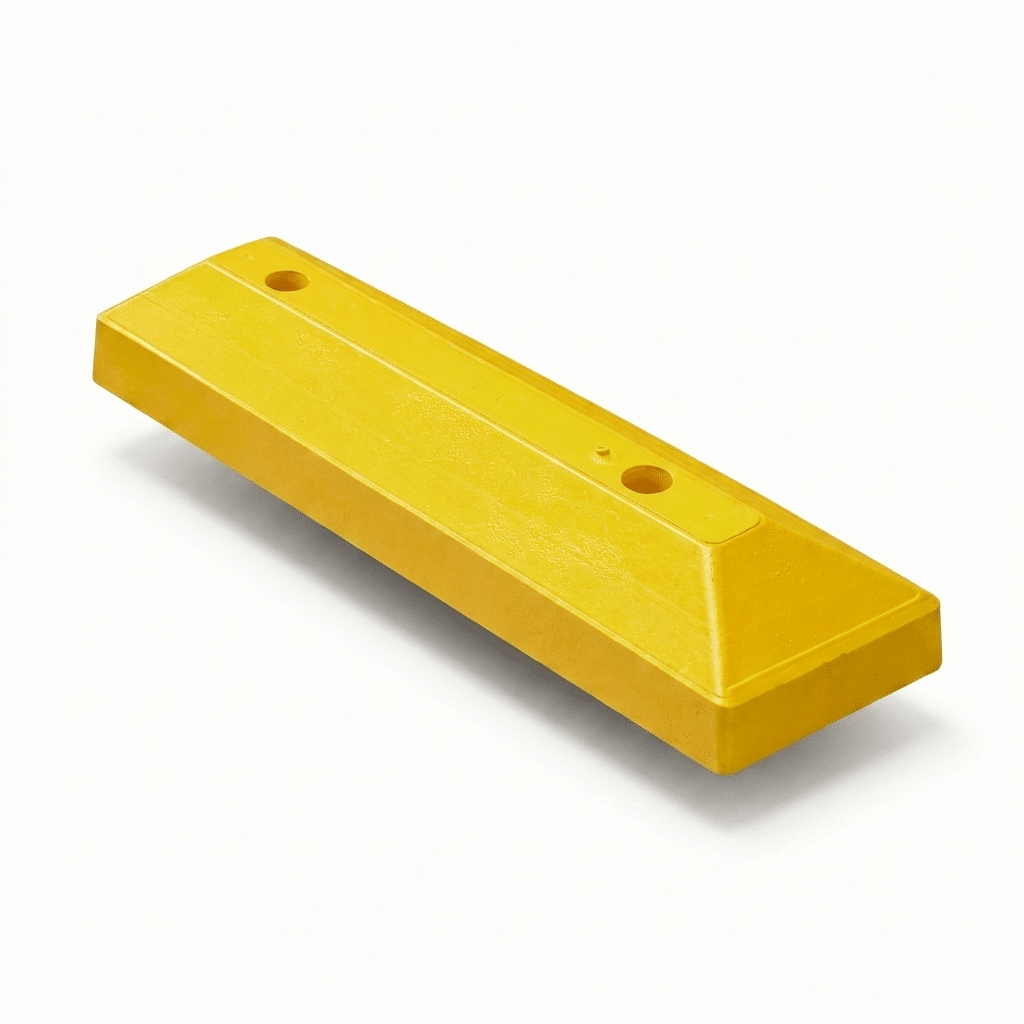
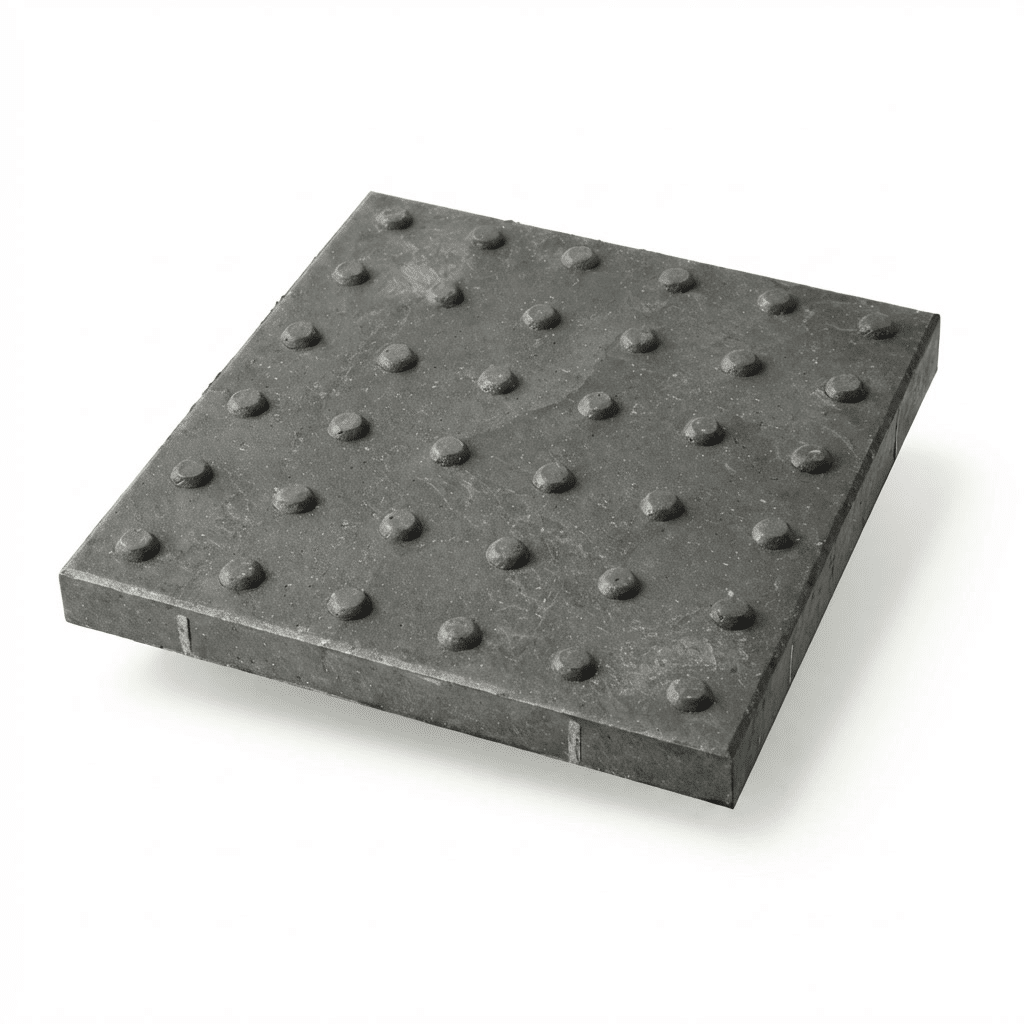
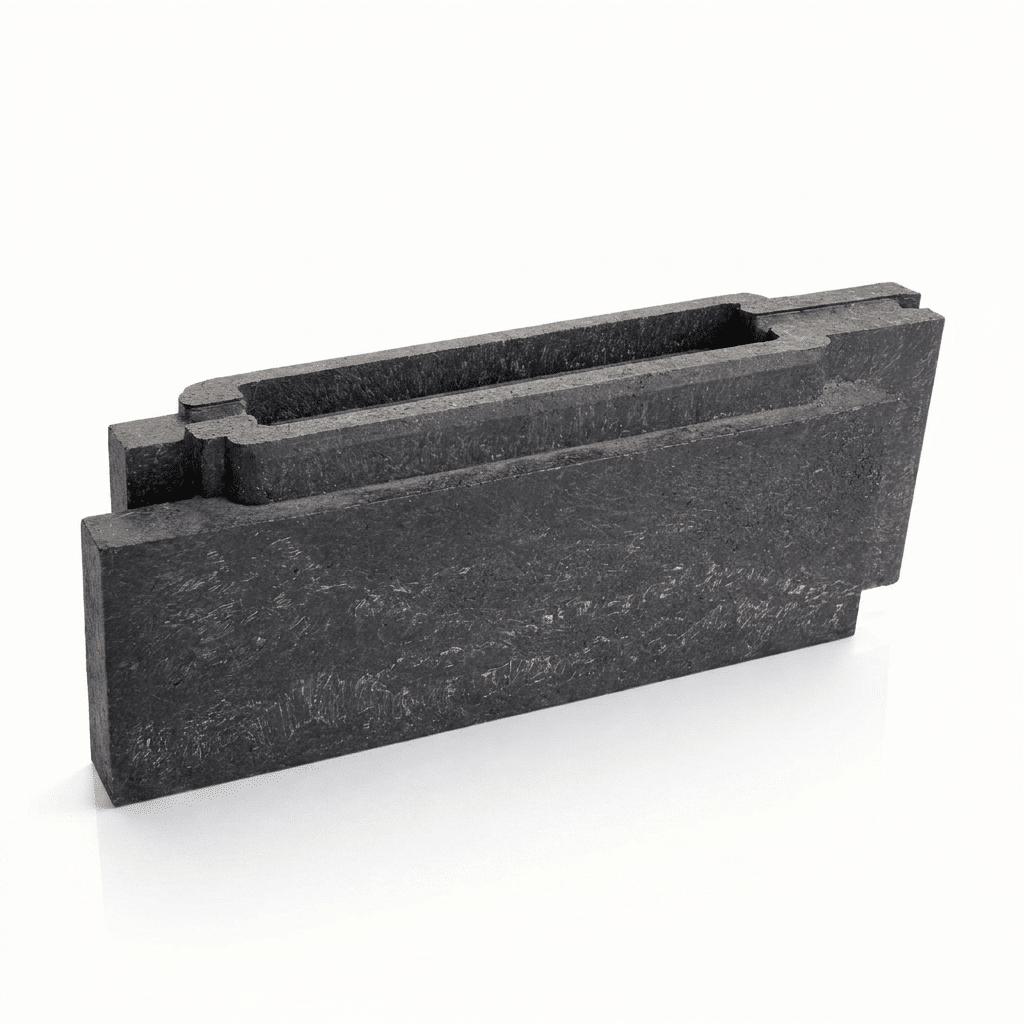
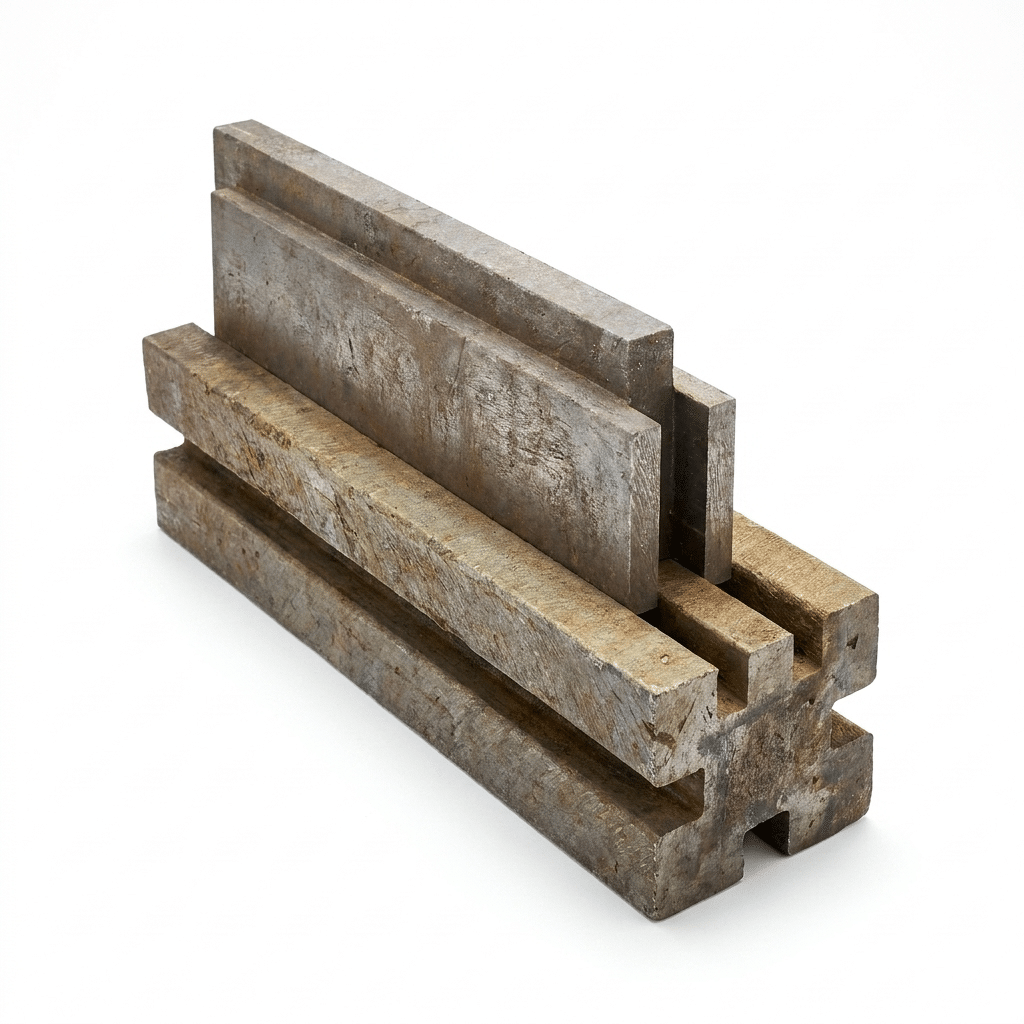
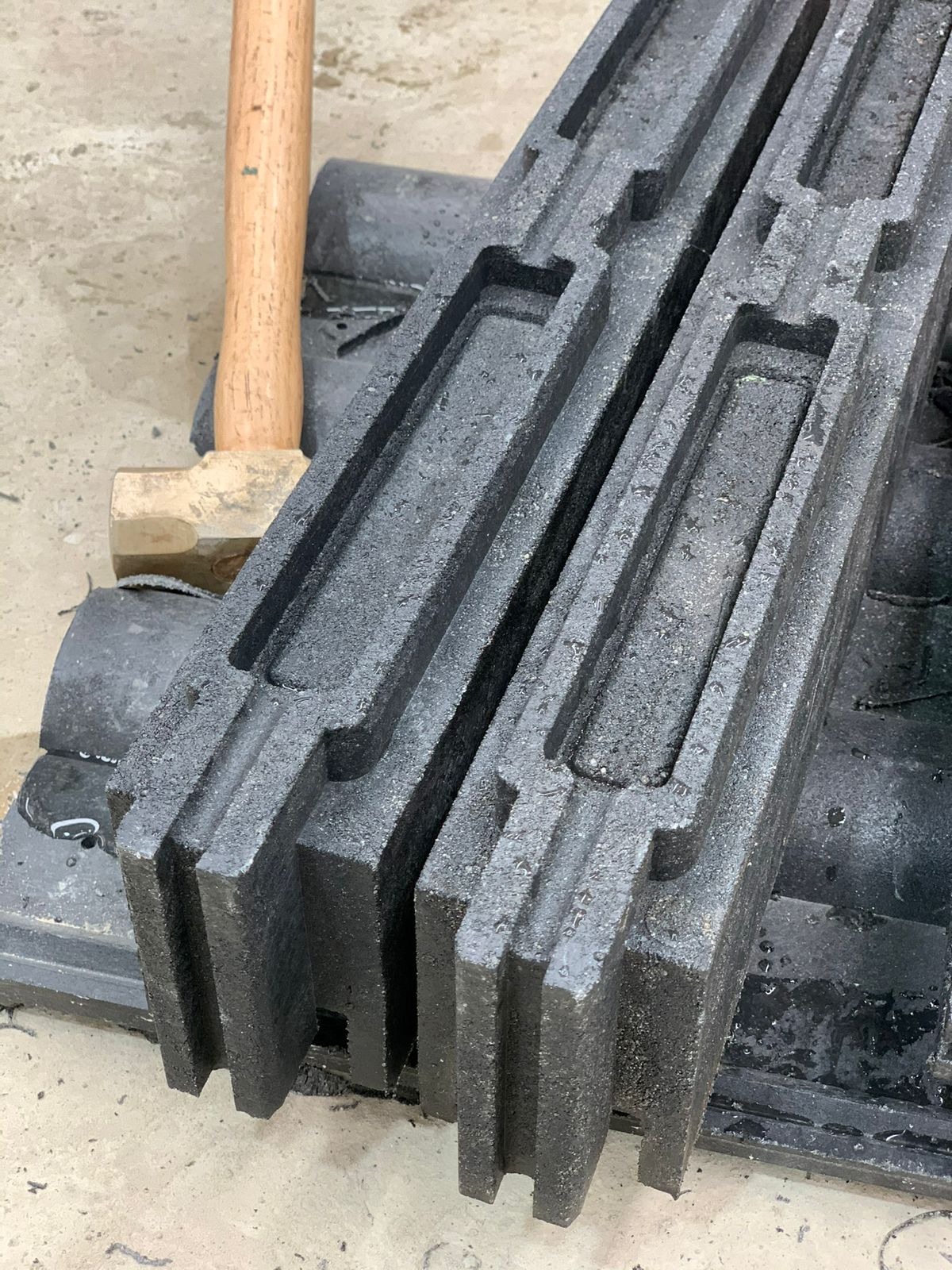
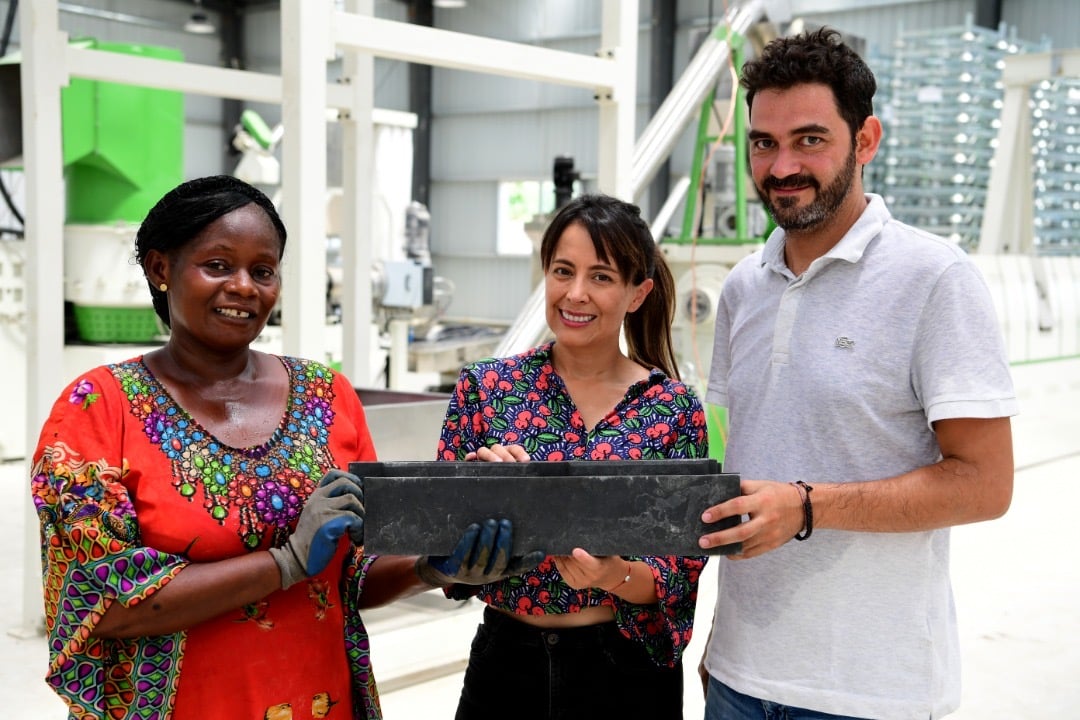
The paving stone is a paving element made of concrete or stone, designed to create strong and durable surfaces on streets, sidewalks, patios, and pedestrian areas. It offers excellent resistance to vehicular and pedestrian traffic, facilitates drainage, and allows for localized repairs without affecting the entire surface.
Pavers are a fundamental construction element that has revolutionized the design and functionality of urban and architectural spaces. This stone or concrete material, characterized by its regular geometric shape and modular assembly capability, represents a comprehensive paving solution that combines structural strength, aesthetic versatility, and exceptional durability. In the construction and infrastructure sector, pavers stand as a superior alternative to traditional paving methods, offering both technical and economic benefits that make them the preferred choice for high-demand projects.
What are pavers and how do they work?
A paver is a prefabricated piece made of concrete or stone material, characterized by its individual interlocking installation system. Its function is based on the principle of load distribution through multiple contact points, creating a paved surface that acts as a flexible and resistant system. The specific geometry of the paver allows applied forces to be evenly distributed among adjacent pieces, generating a pavement structure capable of absorbing differential ground movements without compromising its structural integrity.
The working mechanism of pavers is based on the interaction between individual pieces, joint material, and the supporting base. When a load is applied to the paved surface, it is transmitted not only through the directly affected piece but is also distributed to surrounding elements through the mechanical interlocking system. This behavior allows paver pavement to maintain its dimensional stability even under variable load conditions and ground movements.
Benefits of pavers
Industry applications
Pavers find extensive application across multiple industrial and urban sectors. In road infrastructure, they are the preferred solution for urban streets, public plazas, pedestrian areas, and bike lanes, where their ability to withstand mixed traffic and ease of maintenance are essential. In the industrial sector, pavers are used in maneuvering yards, loading and unloading areas, and outdoor storage zones, where resistance to heavy loads and durability under adverse conditions are critical. Shopping centers and residential developments use pavers to create functional and aesthetically appealing outdoor spaces, leveraging their design versatility. In ports and cargo terminals, pavers provide surfaces resistant to heavy machinery and material handling equipment traffic. Applications in urban landscaping and sustainable architecture projects have increased significantly, where pavers contribute to comprehensive stormwater management and the creation of resilient urban spaces.
Frequently asked questions about pavers
What is the typical strength of pavers for industrial applications? Pavers for industrial use typically have compressive strengths between 35 and 50 MPa, with the ability to withstand point loads exceeding 8000 N without structural damage, meeting international standards for high-demand pavements.
What type of base does paver installation require? Paver installation requires a compacted granular base of variable thickness depending on the application, typically between 10 and 30 cm, complemented by a 3 to 5 cm thick sand leveling bed, ensuring dimensional stability and proper drainage of the system.
How do pavers perform under thermal changes? Pavers exhibit excellent performance under temperature variations due to their joint system, which allows individual expansion and contraction of each piece, preventing internal stresses and maintaining pavement integrity across wide temperature ranges.
What maintenance does a paver pavement require? Paver maintenance is primarily limited to periodic joint cleaning and occasional replacement of sealing material, with the possibility of individual piece replacement without affecting the overall pavement structure, resulting in significantly lower maintenance costs compared to monolithic pavements.