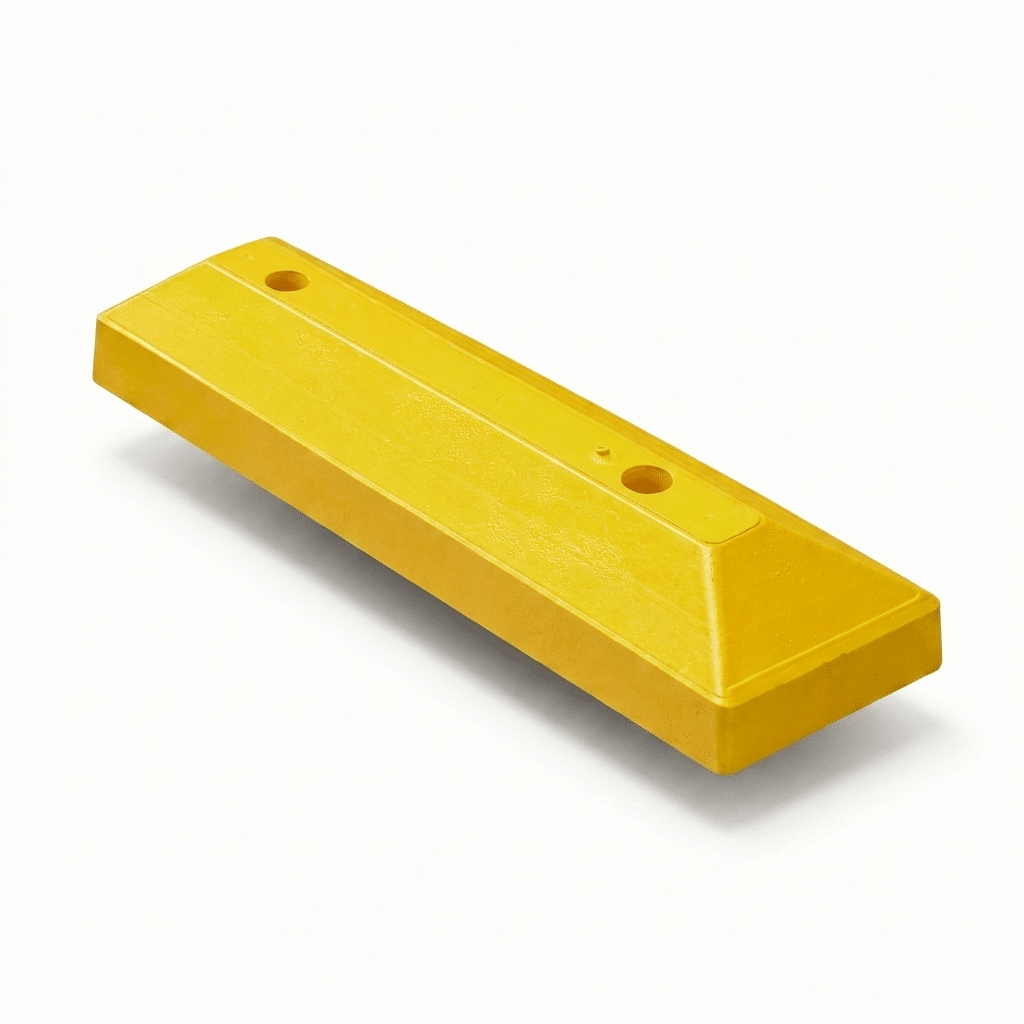
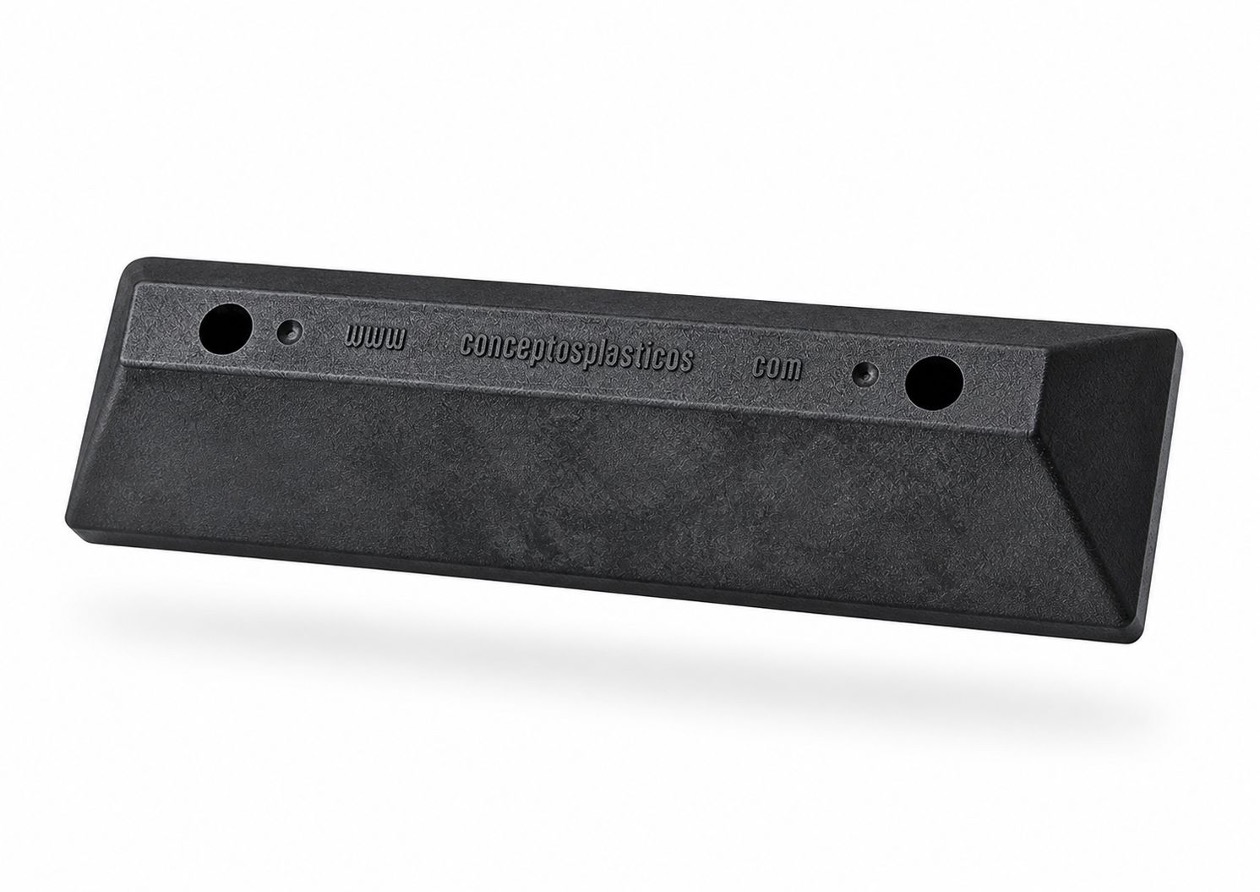
The
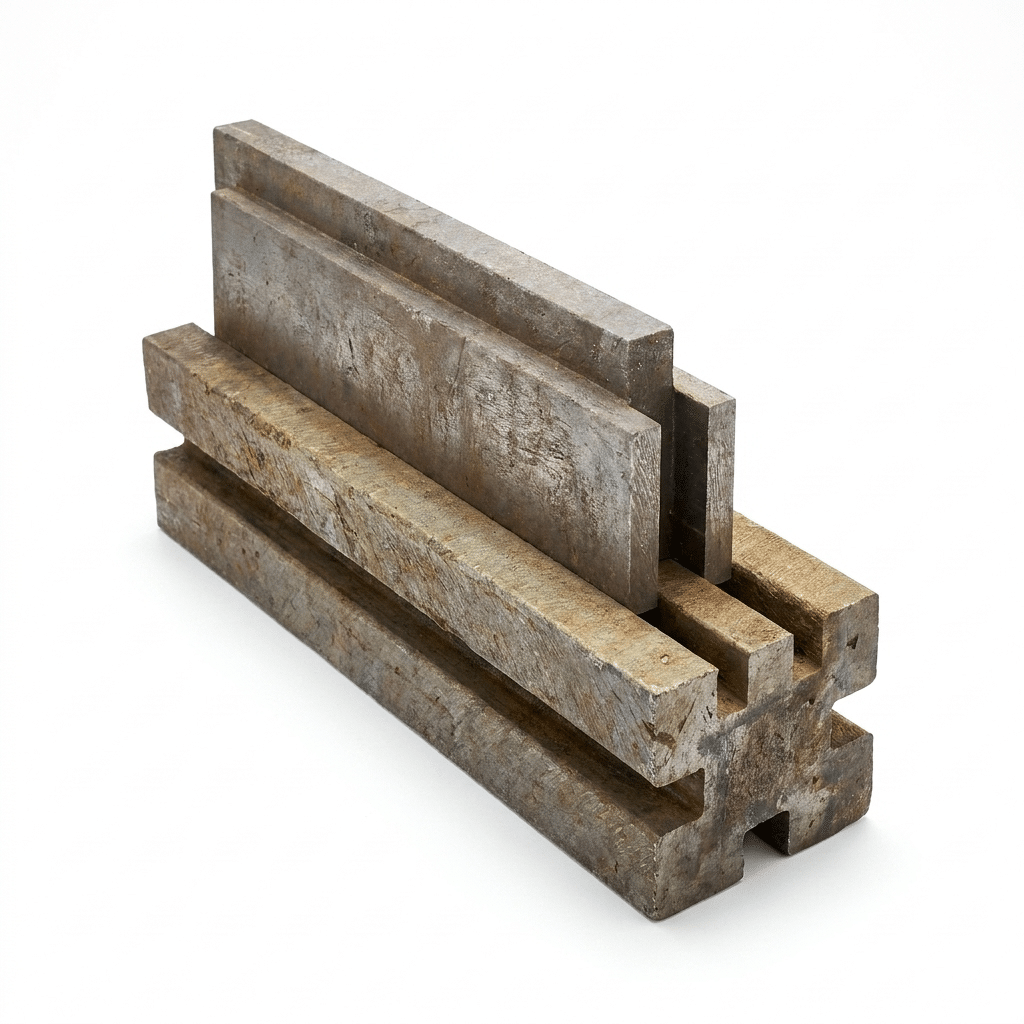
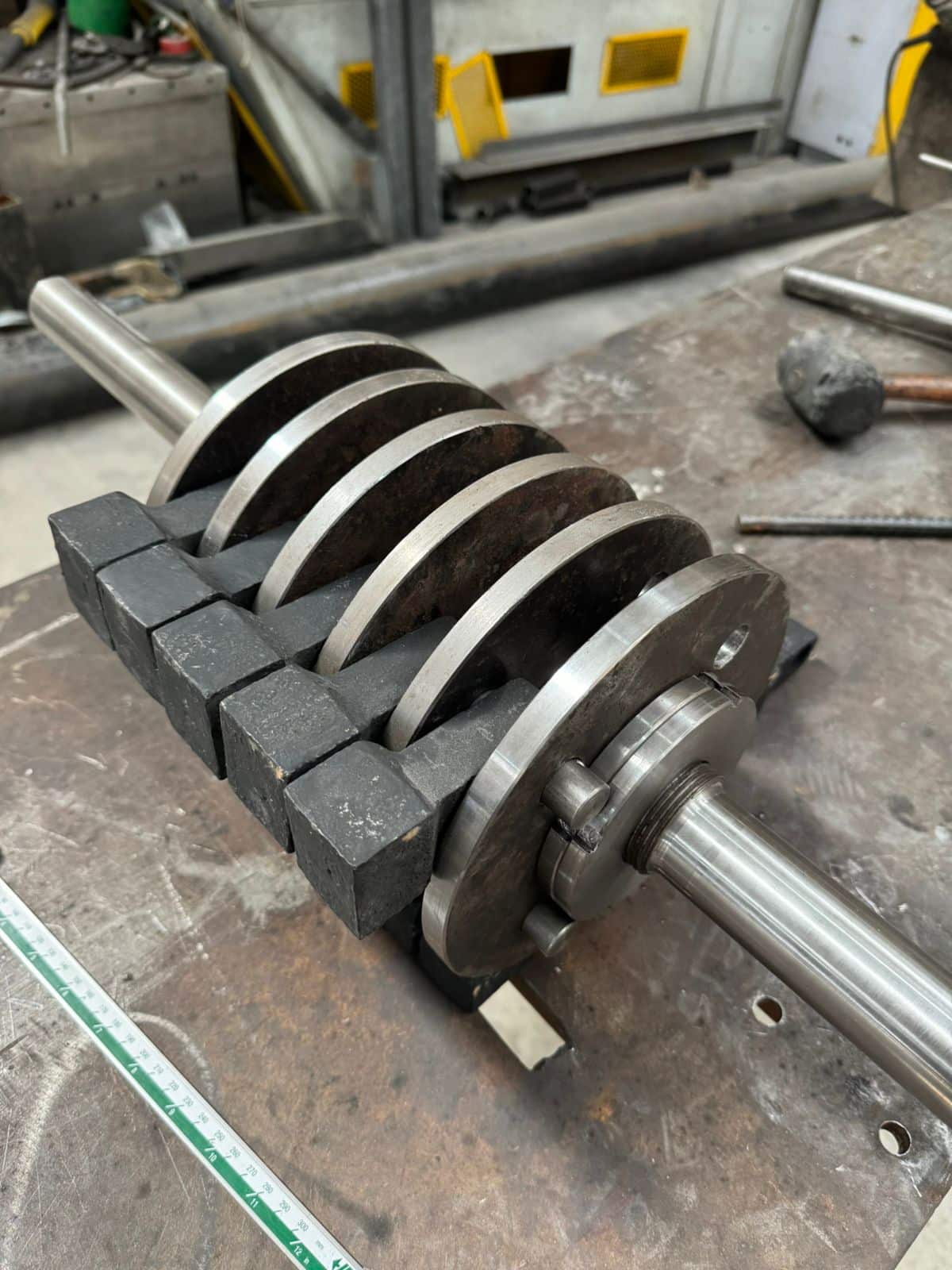
wheel stop is an essential component in mechanical transmission systems that acts as a stop and limiting element on rotating shafts. This industrial device is characterized by providing a fixed and controlled reference point in applications where it is necessary to limit the axial displacement of moving components. The
wheel stop plays a fundamental role in the precision and safety of industrial machinery, preventing misalignments and overload damage in complex mechanical systems.
What is a wheel stop and how does it work?
The
wheel stop is a mechanical device designed to act as an axial stop in shafts and transmission systems. Its operation is based on the principle of controlled contact, where the component is strategically positioned to intercept the movement of moving elements in a specific direction. When a shaft or rotating component reaches the established limit position, the
wheel stop absorbs axial forces and distributes the load evenly.
The internal mechanism of the
wheel stop incorporates calibrated friction elements that allow smooth yet firm contact with moving components. This characteristic is crucial to avoid sudden impacts that could damage machinery or generate unwanted vibrations. The contact surface is designed to resist continuous wear and maintain its braking properties throughout thousands of operating cycles.
Benefits of the wheel stop
- Effective protection against axial overloads in mechanical transmission systems.
- Significant reduction of premature wear on bearings and rotating components.
- Improved dimensional precision and repeatability in automated industrial processes.
- Minimization of vibrations and operational noise in high-speed machinery.
- Extended service life of costly equipment through preventive protection.
- Ease of installation and maintenance with standard workshop tools.
- Compatibility with multiple types of lubricants and adverse environmental conditions.
- Impact absorption capability without compromising structural integrity.
- Contribution to operational safety by preventing uncontrolled displacements.
- Optimization of energy consumption by reducing parasitic friction in the system.
Industry applications
The
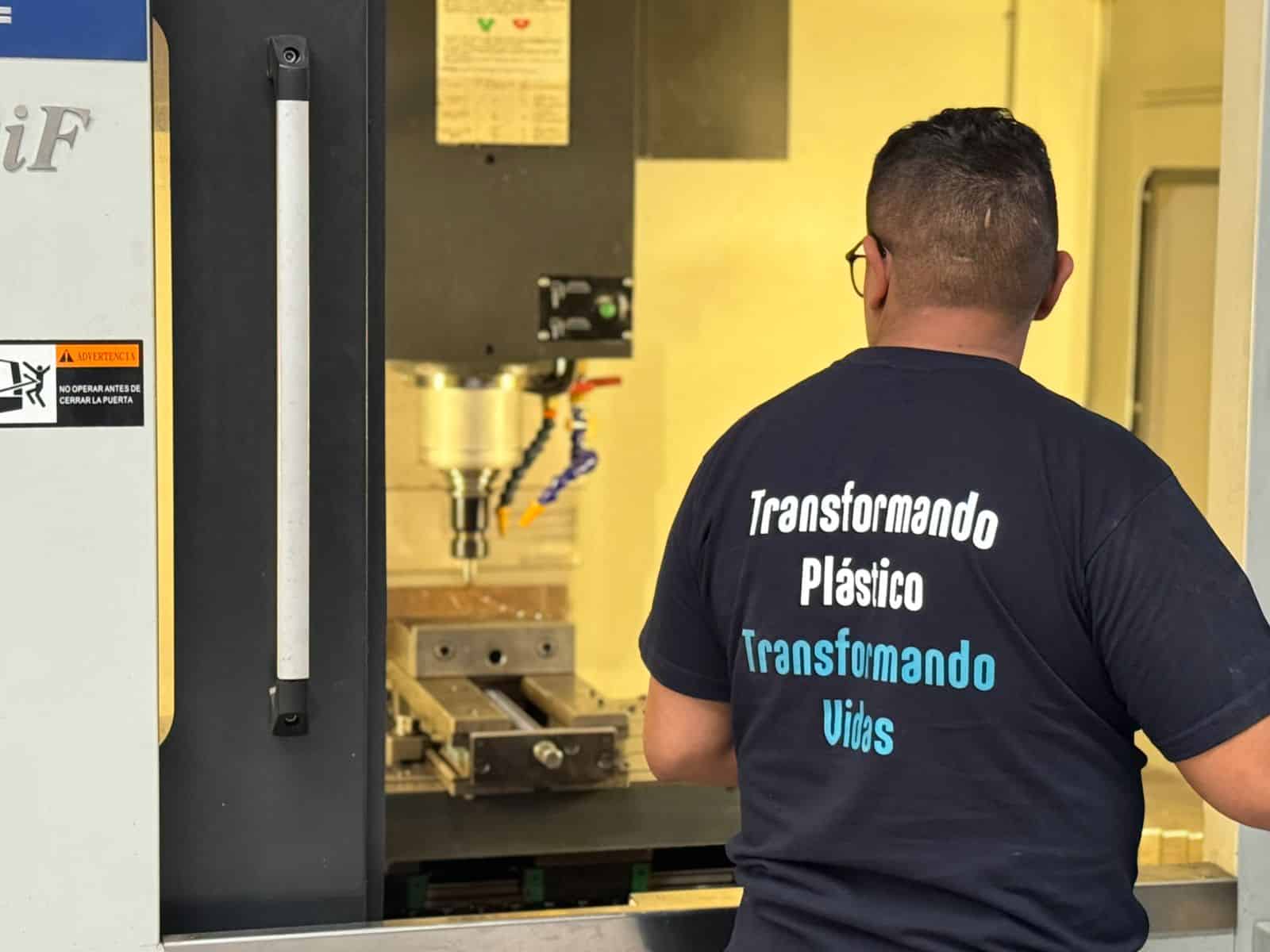
wheel stop finds application across various industrial sectors where precision and axial motion control are critical. In the manufacturing industry, these components are used in CNC lathes, milling machines, and machining centers to ensure exact positioning of cutting tools. In the automotive sector, the
wheel stop is employed in transmission systems for heavy vehicles and construction machinery, where high axial loads require robust and reliable stop elements. The textile industry also benefits from these devices in automated looms and spinning machinery, where precise motion control is essential for final product quality. In renewable energy applications, particularly in wind turbines, the
wheel stop protects orientation and transmission systems against extreme axial loads caused by adverse weather conditions.
Frequently asked questions about wheel stops
What is the typical service life of a wheel stop under normal operating conditions? The service life of a
wheel stop depends on factors such as activation frequency, applied loads, and environmental conditions. In standard industrial applications, these components can operate efficiently for 50,000 to 100,000 work cycles before requiring replacement or preventive maintenance.
Is it possible to adjust the stopping force of the wheel stop according to specific requirements? Yes, many
wheel stop models incorporate adjustment mechanisms that allow calibrating the stopping force according to the specific needs of each application. This is achieved through precompressed spring systems or hydraulic elements that can be modified during installation or maintenance.
What type of maintenance does a wheel stop require to ensure optimal performance? Maintenance of the
wheel stop includes periodic visual inspection of contact surfaces, verification of stopping force using specialized gauges, lubrication of moving components according to manufacturer specifications, and replacement of wear elements when necessary. Establishing a predictive maintenance program based on operating hours and specific working conditions is recommended.
Can the wheel stop operate in environments with extreme temperatures or aggressive chemicals? The
wheel stop can be manufactured with special materials resistant to extreme temperatures and chemically aggressive environments. Versions with ceramic coatings, stainless alloys, or high-resistance polymers are available for applications in severe environmental conditions, ensuring reliable performance even in the most challenging industrial environments.